Water Security Policy
> Back to Plan Hub
Summary
• Reliable, safe, affordable water with fewer outages and fewer surprises, even in droughts, floods, and disasters.
• Where it helps: Households, farms, small businesses, rural and underserved communities, and critical services during emergencies.
• What makes it accountable: Annual statewide stress tests, a public California Water Balance Sheet, and measurable targets for leaks, reliability, groundwater health, and emergency response.
Guiding principles
• Local control first with a state backstop that steps in only when standards are not met.
• Fix what we have before building more, prioritizing leak reduction, modernization, and efficiency first.
• Build to adapt, using annual stress tests, transparent metrics, and automatic adjustments to stay on track through changing climate conditions.
Goals
• Guarantee safe, reliable, and affordable water for every Californian across homes, farms, businesses, and ecosystems.
• Reduce water loss and service disruptions by modernizing critical infrastructure and improving energy resilience.
• Maximize reuse, recycling, conservation incentives, and groundwater recharge so California gets more value from every drop.
• Protect groundwater as drought insurance while preventing land subsidence and long-term aquifer damage.
• Strengthen watersheds and ecosystems to reduce wildfire risk, improve water quality, and limit flood damage.
• Improve emergency preparedness for drought, contamination, and disasters with faster response and clear public communication.
• Increase transparency and trust through public reporting, equity priorities, and regional coordination that actually works.
• Create a living, self-improving water system that learns and improves every year.
Plan and policy
I. Infrastructure Modernization and Reliability
Goal: Make water infrastructure safe, efficient, and reliable during droughts, floods, earthquakes, and power outages.
Actions:
• Repair and replace aging pipes, canals, pumps, and treatment facilities.
• Seismically reinforce reservoirs, aqueducts, and treatment systems.
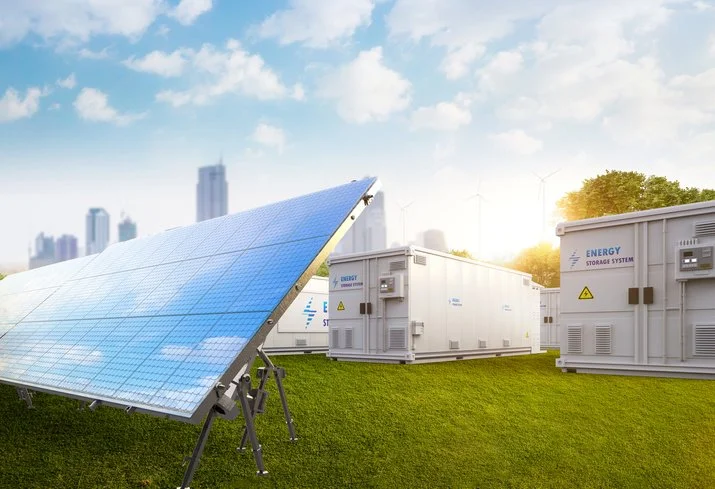
• Integrate renewables and microgrids where reliability benefits are clear.
• Add manual overrides and gravity-fed options where feasible to reduce energy dependence.
Impacts:
• Reduced water loss from leaks.
• Fewer service disruptions.
• Lower energy use per unit of water delivered.
II. Water Reuse, Recycling, and Efficiency
Goal: Maximize every drop while lowering costs for households, farms, and industry.
Actions:
• Expand recycled water and potable reuse for municipal and industrial use.
• Incentivize greywater systems and high-efficiency appliances.
• Support precision irrigation, soil moisture monitoring, and on-farm efficiency.
• Use targeted incentives rather than blanket mandates to drive conservation.
Impacts:
• Reduced reliance on imported water.
• Lower household and agricultural costs over time.
• Increased participation in efficiency programs.
III. Groundwater as a Strategic Reserve
Goal: Protect aquifers as long-term drought insurance and stabilize groundwater basins.
Actions:
• Expand monitoring and basin-level reporting.
• Accelerate recharge using stormwater, recycled water, and natural infiltration.
• Support local Groundwater Sustainability Agencies with technical and financial tools.
• Enable voluntary water trading and water banking to improve flexibility.
Impacts:
• Stabilized aquifers and improved drought readiness.
• Reduced land subsidence.
• More reliable supply for communities that depend on groundwater.
IV. Agriculture as a Water Partner
Goal: Keep California agriculture productive while strengthening statewide water security.
Actions:
• Pay farmers to capture floodwater and recharge aquifers where appropriate.
• Cost-share efficiency upgrades and drought-resilient practices.
• Protect agricultural pumping access while ensuring basin health.
Impacts:
• Stronger food security.
• Rural economic stability.
• Improved recharge capacity and drought resilience statewide.
V. Watersheds, Ecosystems, and Wildfire Risk Reduction
Goal: Use natural systems to store water, reduce floods, and lower wildfire risk.
Actions:
• Expand controlled burns, forest thinning, and watershed restoration.
• Restore wetlands, floodplains, and rivers for water storage and filtration.
• Partner with tribal nations for culturally-informed stewardship.
Impacts:
• Reduced wildfire severity.
• Improved water quality.
• Lower flood damage.
VI. Emergency Preparedness, Drought, and Public Health
Goal: Ensure safe water during extreme droughts, contamination events, and disasters.
Actions:
• Maintain emergency water reserves and interconnections between systems.
• Deploy mobile treatment and distribution units during disruptions.
• Expand real-time water quality monitoring and public alerts.
• Support local drought councils and public education.
Impacts:
• Faster emergency response.
• Safer drinking water during crises.
• Stronger public trust through clear communication.
VII. Energy-Resilient Water Systems
Goal: Keep water flowing during prolonged energy disruptions.
Actions:
• Install microgrids at critical facilities.
• Invest in long-duration energy storage where it strengthens reliability.
• Maintain multi-fuel backup generation for critical sites.
• Expand gravity-fed and passive infrastructure where practical.
Impacts:
• Water service continuity during grid disruptions.
• Better protection for vulnerable populations.
• Reduced dependence on the grid for critical delivery.
VIII. Governance, Equity, and Community Trust
Goal: Make water governance transparent, fair, and locally responsive.
Actions:
• Create regional coordination forums with real authority and clear roles.
• Prioritize underserved and rural communities for upgrades and support.
• Publish an annual California Water Balance Sheet in plain language.
• Expand education programs for lifelong water stewardship.
Impacts:
• More equitable access and fewer chronic failures.
• Higher public confidence.
• Long-term behavior change that reduces waste without panic.
IX. Adaptive Resilience and Continuous Improvement
Goal: Build a living system that learns and improves every year.
Actions:
• Run annual statewide water stress tests for drought, flood, wildfire, and energy outage scenarios.
• Expand real-time monitoring of supply, quality, infrastructure performance, and energy vulnerability.
• Use dynamic conservation incentives and flexible allocation rules based on conditions.
• Conduct multi-agency simulation drills for compound emergencies.
Impacts:
• Earlier problem detection and faster course-correction.
• Fewer surprises during extreme years.
• Continuous improvement backed by data and drills.
Safeguards
• Rights and civil liberties:
- Local agencies keep day-to-day control, with the state limited to standards, tools, and intervention only when sustainability or safety targets are missed.
- Transparent public reporting so communities can see what is happening and why, without backroom allocation.
• Risk checks, transparency, audits:
- Annual stress tests and published results.
- Annual California Water Balance Sheet and public dashboards.
- ROI and performance reporting for major investments, with independent review where appropriate.
• Rollback or pause triggers:
- Pause or redesign projects that repeatedly miss performance targets, exceed cost caps without justification, or fail safety and reliability checks.
- Trigger corrective action when groundwater basins miss sustainability targets or when reliability metrics deteriorate year over year.
- Require public explanation and updated implementation plans when major timelines or costs shift.
-
What does “local control first, state backstop always” mean?
Local agencies make day-to-day water decisions, and the state sets standards, provides tools, and steps in only when a system fails basic safety, sustainability, or reliability targets.How does this plan prevent water waste without punishing people?
It prioritizes fixing leaks and modernizing infrastructure first, then uses targeted incentives for efficiency rather than blanket mandates.Will this plan raise my water bills?
The plan focuses on no-regret investments like leak reduction, energy resilience, and smarter operations that lower long-run costs, with performance reporting and cost caps to avoid runaway spending.How does the plan help during droughts?
It increases reuse, improves conservation incentives, strengthens groundwater recharge, and runs annual stress tests so drought response is planned, not improvised.What about flooding and extreme storms?
The plan treats floodwater as a resource where safe, expands recharge and floodplain restoration, and strengthens infrastructure to handle extremes.How does this protect groundwater?
It expands monitoring and reporting, accelerates recharge, supports local groundwater agencies, and uses a state backstop only when sustainability targets are not being met.Does this include forced crop switching or uncompensated pumping bans?
No. The plan explicitly avoids forced crop switching and uncompensated pumping bans, and treats farmers as partners with paid recharge and cost-shared upgrades.How does this plan reduce wildfire risk?
It invests in watershed restoration, forest thinning, and controlled burns, and strengthens natural systems like wetlands and floodplains that protect water quality and reduce fire severity impacts.What happens if drinking water is contaminated or a system fails?
The plan expands real-time monitoring, strengthens interconnections, and deploys mobile treatment and distribution units so communities can get safe water quickly.How will we know the plan is working?
The plan publishes an annual California Water Balance Sheet and plain-language dashboards, and it uses measurable targets for leaks, outages, groundwater health, reuse, and emergency response.Who is accountable if targets are missed?
Local agencies remain responsible for operations, and the state backstop requires corrective action when systems repeatedly fail standards, with public reporting and review.Is this a megaproject plan like building one giant new system?
No. It focuses on practical modernization, reuse, recharge, and resilience upgrades, with new infrastructure considered only after fixing existing systems and proving value.How does this plan protect underserved and rural communities?
It prioritizes upgrades and technical support for underserved and rural areas, strengthens emergency readiness, and improves transparency so communities can track progress and advocate for results.
Related Plans & Policies